

What Basic Tools Do Homeowners Need for Roof Upkeep?
A few straightforward tools make roof maintenance tasks safer and more manageable for most homeowners. Granville’s climate—with freeze-thaw cycles, snow in winter, and wet springs—means roofs often face debris, moss, and shingle damage. Having the right equipment reduces risk and helps you spot issues early.
A typical roof maintenance toolkit for area residents should include:
- A sturdy extension ladder (tall enough to safely reach your gutter line)
- Soft-bristled broom or brush (for moving leaves and debris without harming shingles)
- Garden hose with spray nozzle (to check drains, spot leaks, and flush gutters)
- Work gloves with good grip (essential for safe handling on sloped or damp surfaces)
- Safety glasses (to prevent debris from getting into your eyes)
Even for simple tasks, proper footwear with non-slip soles is crucial, especially given Granville’s frequent wet and icy conditions.
How Can Residents Clean Gutters and Remove Moss Safely?
Using the proper tools can prevent roof damage while keeping gutters and surfaces clear. For most Granville homes, regular buildup of pine needles, leaves, and occasional moss is common.
Key tools for these tasks:
- Plastic scoop or small garden trowel (for cleaning out gutters—plastic is less likely to scratch or puncture)
- Bucket or canvas bag with a hook (to collect debris and avoid tossing it to the ground)
- Telescoping gutter cleaning wand (lets you flush out downspouts from the ground or ladder)
- Long-handled, soft-bristled brush (for removing light moss or lichen—avoid wire brushes on asphalt or composite shingles)
Many homeowners overlook the risk of damaging shingles with harsh tools or pressure washers. A garden hose with moderate pressure often works best for rinsing gutters and removing small debris without dislodging protective granules from shingles.
What Safety Equipment Should Be Used for DIY Roof Work?
Falls are the greatest risk during residential roof work. Even single-story roofs in the city can be slippery or steeper than they appear.
The most critical safety equipment includes:
- Harness and roof anchor system (especially for steeper slopes or when working above one story)
- Ladder stabilizer or stand-off (prevents the ladder from slipping and keeps it from pushing against gutters)
- Non-slip shoes or boots (offering secure footing on various shingle materials)
- Helmet or hard hat (useful for protecting against low branches or falling tools on multi-level tasks)
If a roof or ladder feels unstable, or if there’s ice present, it’s usually safer to wait for better weather or avoid climbing altogether. Area households should remember that even routine roof checks can benefit from a second person for spotter duties.
Which Tools Help Find Roof Leaks or Hidden Damage?
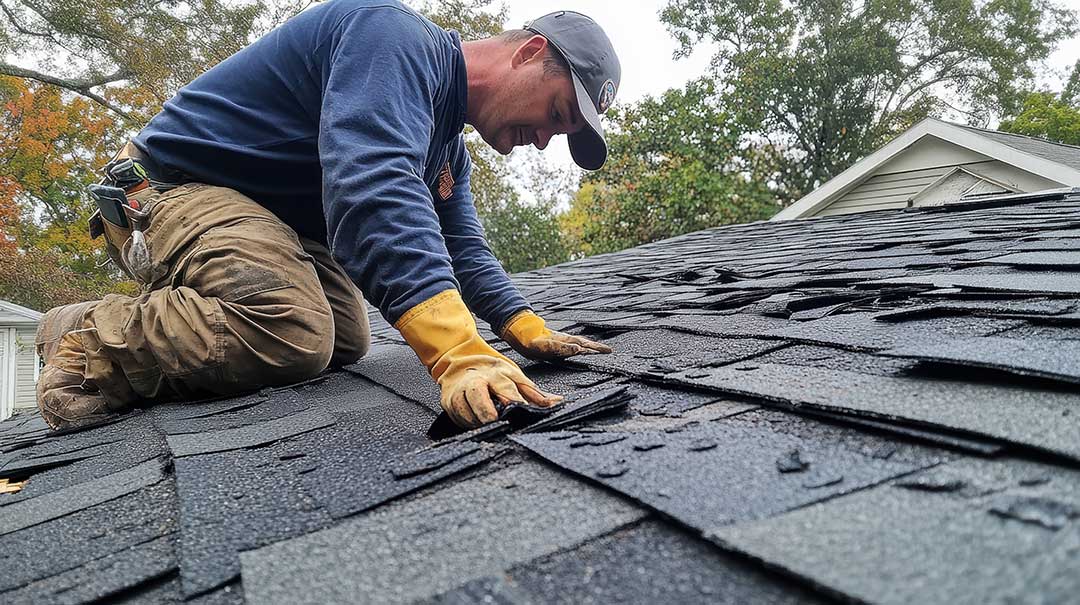
Detecting leaks and hidden shingle wear before they become costly is a priority, especially during the damp transitions from spring to summer in Granville.
Simple diagnostic tools include:
- Binoculars (for safe, close-up checks of flashing, shingles, and ridge lines from ground level)
- Flashlight (to inspect attics for water stains, daylight coming through, or damp insulation)
- Chalk or grease pencil (to mark suspicious spots on shingles, gutters, or sheathing for further review)
- Digital camera or smartphone (documenting the roof’s condition and tracking changes seasonally)
Carefully checking after storms or snow melt helps catch damage while repairs are still minor.
Are There Common Mistakes in Roof Maintenance Tool Use?
Residents sometimes damage their own roofs with the wrong equipment. Using metal rakes on shingles, scraping ice dams with shovels, or cleaning with high-pressure washers often causes more harm than good.
Other frequent errors:
- Skipping safety gear fully—underestimating roof pitch or slipperiness
- Leaning heavy ladders directly on gutters (crushing or bending them)
- Failing to clear debris from valleys and behind chimneys, not just from gutters
- Using abrasive brushes or tools on moss, which erodes shingle coatings
While some tools may seem optional, their absence can turn a simple upkeep task into a repair job. Local experience shows that regular, careful checks using the right equipment helps prolong roof life in the region’s variable weather.
