
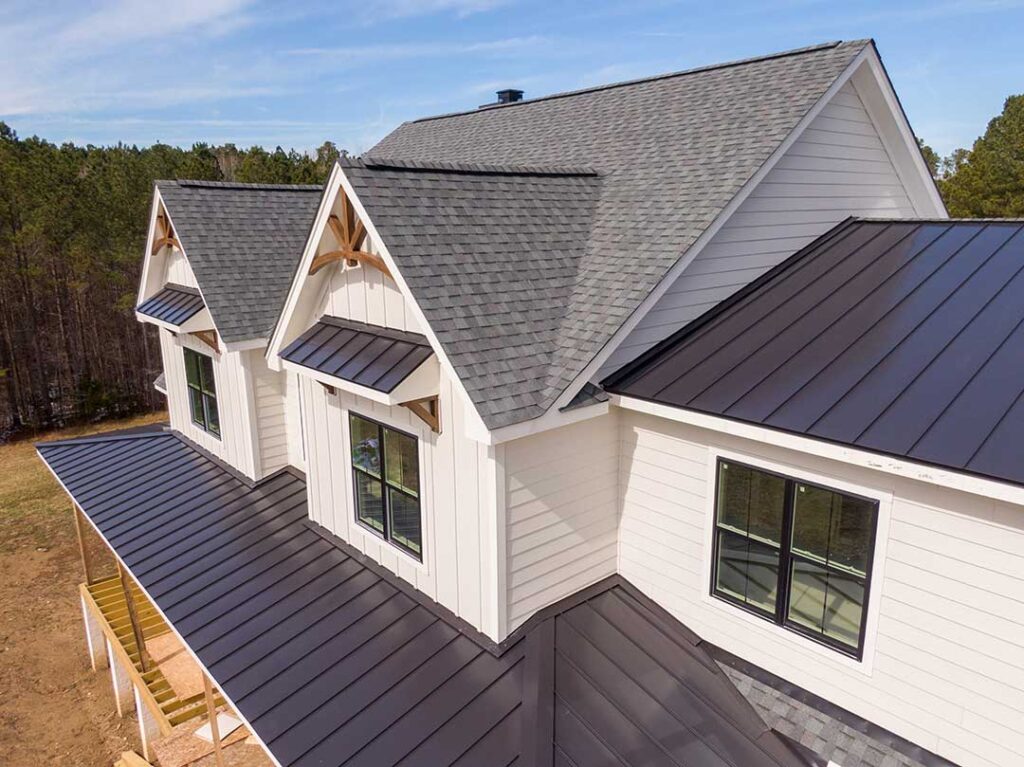
Roof work can sometimes be done safely by a homeowner, but only when the task is small, the roof is dry and stable, and the person doing the work understands the risks. Replacing a few accessible shingles may be reasonable under the right conditions; walking on a steep, wet, damaged, or icy roof is not.
Which roof tasks are usually reasonable for a careful homeowner?
Small, low-risk maintenance jobs are generally the most suitable for do-it-yourself work. These may include inspecting visible shingles from the ground, clearing leaves from a low-slope porch roof, replacing a small number of loose tabs, or cleaning debris from gutters while standing on stable ground.
A homeowner may also be able to:
- Remove small branches that have landed on a roof, provided they can be reached without climbing onto an unstable surface
- Replace a missing shingle on a low-slope section when the surrounding roof is in good condition
- Refasten a loose gutter section from a properly positioned ladder
- Seal a minor exposed nail or small flashing gap when the area is easy to reach and the underlying materials are sound
- Photograph suspected damage for later evaluation without walking across the roof
These tasks still require caution. A small visible defect can be connected to hidden water damage, deteriorated decking, or a broader roof problem. If the roof feels soft, spongy, uneven, or unusually brittle, the work should stop.
What weather conditions make roof work unsafe?
Dry, calm weather is the minimum starting point. Roof surfaces become hazardous quickly when moisture, frost, snow, or wind is present.
In Granville, NY, seasonal changes can create several hazards. Spring and fall may bring damp shingles, wet leaves, and rapidly changing temperatures. Winter conditions can leave ice in shaded areas even after nearby surfaces appear clear. Summer roofing can become dangerously hot, especially on dark shingles with little wind.
Do not climb onto a roof when:
- Shingles are wet from rain, dew, frost, or melting snow
- Ice or snow is present anywhere on the walking path
- Strong or gusty wind could affect balance or move tools
- Lightning is nearby
- Temperatures are hot enough to soften asphalt shingles or make the surface difficult to handle
- Rain is likely before exposed roofing can be covered securely
- Visibility is poor because of darkness, fog, or heavy precipitation
A roof that looks dry from the ground may still be slippery in shaded sections, near valleys, under trees, or along north-facing slopes.
How can someone tell whether a roof is safe to walk on?
A roof is not safe to walk on simply because it appears intact. Safety depends on slope, surface condition, age, structural support, and access.
Before considering any work, inspect from the ground or from a secure ladder position. Look for sagging areas, exposed decking, curled shingles, missing materials, damaged flashing, and signs that the roof edge or eaves are weak.
Walking on a roof is especially risky when:
- The slope is steep enough that a fall could occur before a person can regain balance
- Shingles are brittle, loose, cracked, or covered with granules
- The roof has moss, algae, wet leaves, or other surface growth
- There are skylights, fragile panels, or concealed openings
- The decking may be weakened by long-term leaks
- The roof has multiple levels, valleys, or difficult transitions
- Access requires standing on a ladder above a doorway, porch, or uneven ground
Older homes may have roof sections that appear solid but contain softened wood beneath the shingles. A footstep can break through without much warning.
Is a ladder safe for minor roof maintenance?
A ladder can be more dangerous than the roof itself if it is placed incorrectly. It should rest on firm, level ground, not loose soil, ice, wet grass, or an uneven stone surface. The ladder should extend high enough to provide a stable handhold when stepping onto a permitted work area, and it should not be positioned near overhead electrical lines.
Keep three points of contact whenever climbing: two hands and one foot, or two feet and one hand. Tools should be carried in a belt or raised separately rather than held while climbing.
Never place a ladder on top of boxes, buckets, snow, or other objects to gain height. Do not work from the highest steps or rungs marked as unsafe. Another adult should know that ladder work is taking place, particularly when the surface is uneven or the task involves moving materials.
For gutter cleaning, a ground-based extension tool may be safer than climbing onto the roof. Leaf blowers and pressure washing can also create hazards, damage roofing materials, or send debris toward people and windows.
When should roof work be left to someone with specialized safety equipment?
Work should not be treated as a routine do-it-yourself project when fall protection, structural assessment, or extensive material removal is needed. Specialized equipment may include roof anchors, properly fitted harnesses, guardrails, staging, and secure access systems.
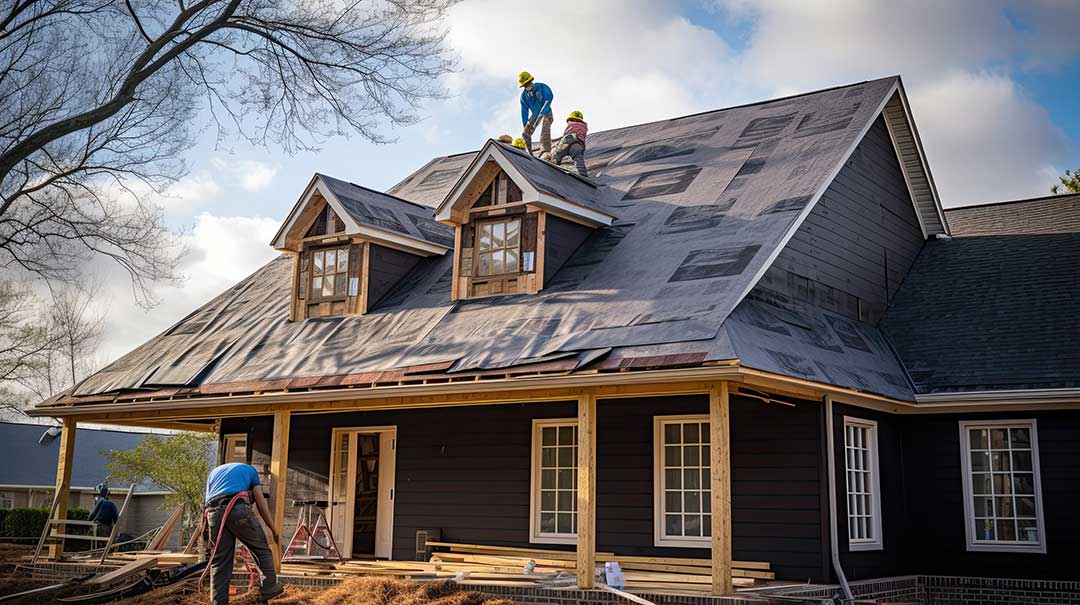
Extra caution is needed after:
- A fallen tree or large branch strikes the roof
- Heavy snow or ice has accumulated
- A roof section is sagging
- Water is entering near ceilings, walls, or electrical fixtures
- Fire, wind, or hail has damaged a large area
- Shingles have blown off across multiple slopes
- A chimney, vent, skylight, or dormer appears loose
- The roof deck feels soft or has visible holes
- The work requires carrying large bundles of materials up a ladder
A fall from a roof can cause serious injury even when the roof is only one story high. Improvised fall protection, such as tying a rope to a chimney or using a household ladder as an anchor, should not be considered reliable protection.
Can roof repairs be done during winter?
Winter roof work is usually limited by ice, cold, short daylight, and changing weather. Even when snow is not covering the entire roof, meltwater can refreeze near eaves and shaded edges. Cold temperatures can also make asphalt shingles less flexible and more likely to crack during handling.
Emergency measures may sometimes be needed to reduce interior water damage, such as placing containers under a leak, moving belongings away from the affected area, or covering a small accessible opening from a secure ground position. Climbing onto an icy roof to make a temporary repair creates a second emergency.
After a winter storm, inspect from the ground first. Look for displaced shingles, bent metal, sagging areas, blocked drainage, and hanging branches. Roof snow should not be removed by walking on the roof or by striking shingles with sharp tools.
What are common mistakes homeowners make?
The most common mistake is focusing on the visible defect instead of asking why it occurred. A missing shingle may be caused by wind, age, poor fastening, or a deteriorated area underneath. Replacing it without checking nearby materials may leave the underlying problem unchanged.
Other frequent mistakes include:
- Working alone without telling anyone
- Using a household rope as fall protection
- Walking on wet or frosted shingles
- Carrying loose tools up a ladder
- Applying sealant over materials that are already failing
- Using a pressure washer on shingles
- Ignoring attic moisture, stained decking, or daylight visible through the roof
- Continuing after discovering soft wood or widespread damage
A homeowner can safely handle some observation and minor maintenance, but conditions should determine the limit of the project—not confidence alone. If safe access, stable footing, or a clear view of the roof structure is missing, stopping is the appropriate decision.
