
Why roof valleys deserve close attention
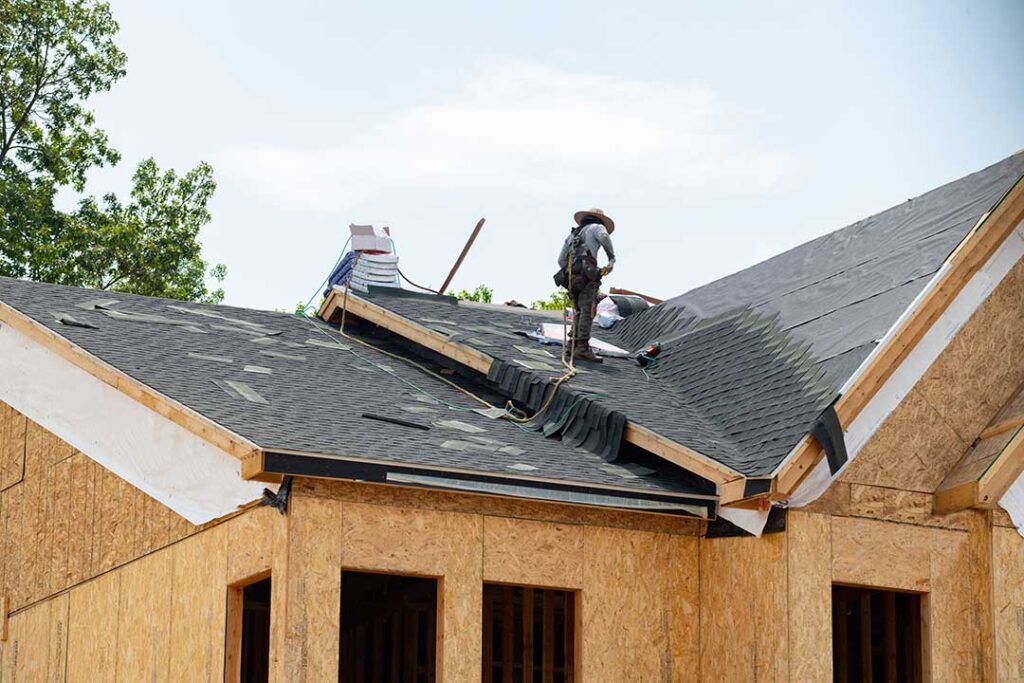
Roof valleys are the channels where two sloping sections of a roof meet. They collect water, snow, leaves, and ice, then direct that runoff toward gutters or other drainage points. Because so much water passes through them, valleys can deteriorate before the rest of the roof shows obvious problems.
In Granville, NY, seasonal changes can place extra stress on these areas. Freeze-thaw cycles, heavy winter snow, spring runoff, wind-driven rain, and falling leaves can all expose weaknesses in valley flashing, shingles, underlayment, and nearby decking.
A failing valley does not always produce an immediate ceiling stain. Early warning signs may appear outside, in the attic, or around the upper walls of the home.
What does a failing roof valley look like from the ground?
Some valley problems are visible without climbing onto the roof. From the ground, look for changes in the roof surface, exposed materials, or unusual runoff patterns.
Common exterior warning signs include:
- Missing, cracked, curled, or displaced shingles near the valley
- Shingle edges that appear lifted or wavy
- Dark streaks, rust-colored marks, or exposed metal in the valley
- Patches of roof material that look newer than the surrounding shingles
- Sagging along the roofline or near the lower end of the valley
- Water stains on exterior walls below the valley
- Gutters that overflow during moderate rain even when they are not full of debris
A valley may still look generally intact while water is getting underneath the roofing materials. Small gaps between shingles, loose flashing, or damaged sealant can allow moisture to travel sideways before entering the roof structure.
The lower end of a valley deserves particular attention because water moves faster there and may splash or back up when gutters are blocked.
Which indoor signs suggest valley leakage?
Indoor evidence often appears near the upper corners of rooms, along exterior walls, or around ceilings below a roof intersection. A single stain does not prove that the valley is the source, but its location and timing can provide useful clues.
Watch for:
- Brown or yellow ceiling stains after rain
- Dampness near upper wall corners
- Peeling paint or bubbling drywall
- Musty odors in an attic or finished room
- Damp insulation
- Mold-like spotting on roof sheathing
- Water marks that become larger after snow melts
- Drips that occur only during wind-driven rain
A roof leak may not appear directly below the damaged area. Water can run along rafters, roof decking, insulation, or framing before it reaches the interior. This is why a stain near a chimney, wall, or ceiling corner may originate from a valley higher up the roof.
If the ceiling is bulging or holding water, avoid standing directly underneath it. Water-damaged drywall can become heavy and may fall.
What should be checked in the attic?
An attic inspection can reveal problems before they become visible inside the living space. Use a flashlight and inspect from a stable floor or access area. Do not step on insulation or unsupported ceiling surfaces.
Look for:
- Darkened or discolored roof decking
- Damp wood around the valley framing
- Rusted nails or metal components
- Wet or compressed insulation
- Water tracks running down rafters
- Daylight visible through gaps in the roof assembly
- Frost buildup that later melts and causes staining
- Soft, crumbly, or deteriorated wood
Fresh moisture after rainfall is a strong clue, but dry stains also matter. Old water marks show that leakage occurred at some point, even if the area is currently dry.
Condensation can sometimes resemble a roof leak. Poor attic ventilation, warm air escaping from the living space, or indoor humidity can create frost and moisture on roof sheathing. The location of the moisture, the weather conditions, and the presence of water trails can help distinguish condensation from rain or snowmelt intrusion.
How do ice and snow affect roof valleys?
Valleys naturally collect snow, and the packed snow can melt unevenly. During freeze-thaw weather, water may move beneath shingles or refreeze near the lower part of the valley. Ice can also form where warm roof sections meet colder overhangs.
Warning signs after winter weather include:
- Water stains that appear during thawing
- Ice buildup concentrated in or below a valley
- Snow remaining in the valley while other roof areas clear
- Shingles pushed upward by ice
- Repeated leaks during mild winter days
- Granules collecting in gutters after snow or ice events
Snow remaining in a valley is not automatically a defect. Valleys often hold snow longer because of their shape. Concern increases when snowmelt is followed by interior moisture, displaced shingles, or visible damage to flashing.
Removing roof ice from the ground with sharp tools can damage shingles and create falling hazards. Roof access during icy conditions is especially dangerous.
What role does valley design play?
Not all valleys are built the same way. Some use exposed metal flashing, while others use concealed flashing beneath overlapping shingles. Certain roof layouts create narrow valleys, steep intersections, or areas where water changes direction quickly.
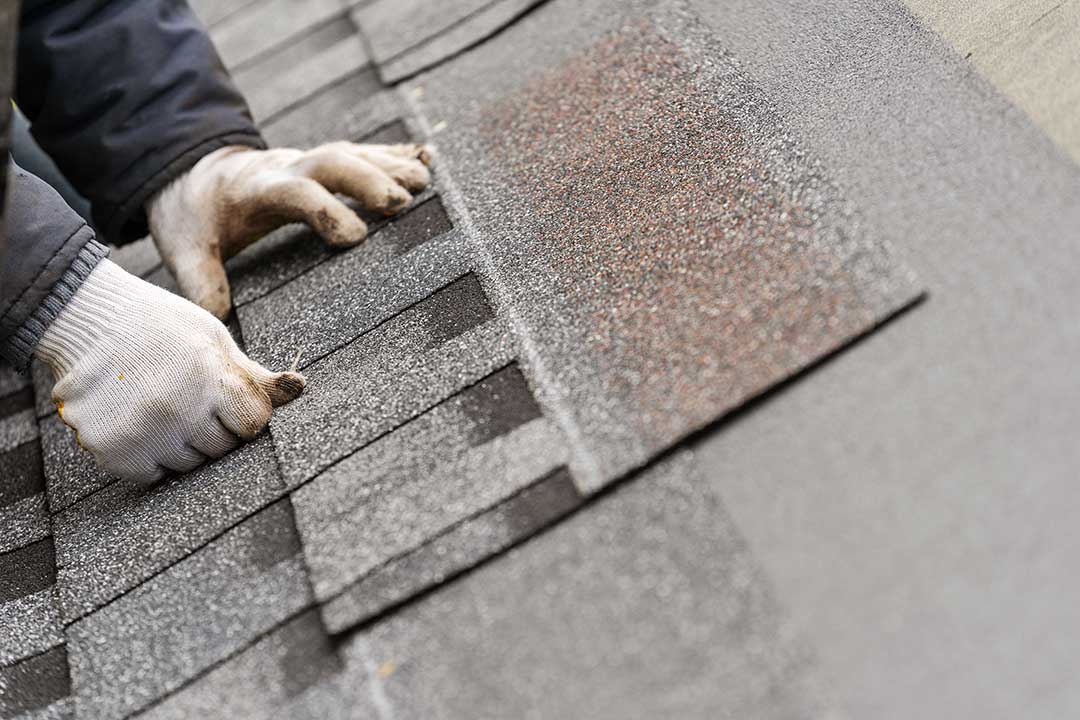
Problems are more likely when:
- Shingles are cut too close to the drainage channel
- Fasteners are placed where water flows
- Flashing is bent, corroded, or improperly overlapped
- Debris accumulates in the valley
- Different roof sections meet at uneven angles
- The valley has been covered by several layers of roofing material
- Nearby plumbing, chimneys, or wall intersections complicate drainage
A valley can fail because of installation details, age, storm damage, movement in the roof structure, or repeated freeze-thaw stress. The visible symptom may be small even when the underlying problem is extensive.
Can leaves and debris cause valley failure?
Yes. Leaves, twigs, pine needles, and windblown debris can slow drainage and keep roofing materials wet for extended periods. Organic debris can also hide cracked shingles or damaged metal.
Debris is especially troublesome when it forms a dense mat in a valley or blocks the lower end where the valley meets a gutter. Water may then spread beneath shingles rather than flowing cleanly toward the drainage system.
Cleaning from a ladder or roof surface can be hazardous. A ladder may slip on wet ground, and walking on shingles can loosen granules or crack brittle materials. Never use a pressure washer on roofing materials.
When does a valley problem require urgent attention?
Some conditions should be treated as urgent because they involve active water entry, structural damage, or immediate safety risks.
Prompt evaluation is warranted when:
- Water is actively dripping indoors
- A ceiling is sagging or bulging
- Attic framing feels soft or weakened
- The roof or valley is visibly sagging
- A large section of flashing has come loose
- Shingles are missing after a storm
- Electrical fixtures are near a water stain
- The roof has been damaged by a fallen branch
- Moisture continues after temporary drying
If water is near electrical wiring, lights, or outlets, avoid touching wet components and use appropriate household safety measures. Roof inspections should not be attempted during lightning, high winds, ice, or active snowfall.
What should homeowners document?
Photos taken from the ground, attic notes, the location of interior stains, and the dates of rain or snow events can help identify patterns. Record whether the problem occurs during heavy rain, wind, thawing, or only after prolonged wet weather.
Useful details include:
- The approximate age of the roof
- The location of stains or dampness
- Whether the issue appears on one side of the valley or both
- Recent storms, tree damage, or ice buildup
- Any prior repairs in the same area
- Whether gutters were blocked when the problem occurred
A recurring leak should not be dismissed simply because the ceiling dries between storms. Repeated moisture can weaken roof decking, framing, insulation, and interior finishes over time. Understanding the early signs of valley trouble makes it easier to distinguish ordinary roof aging from a drainage or flashing problem that needs closer attention.
