
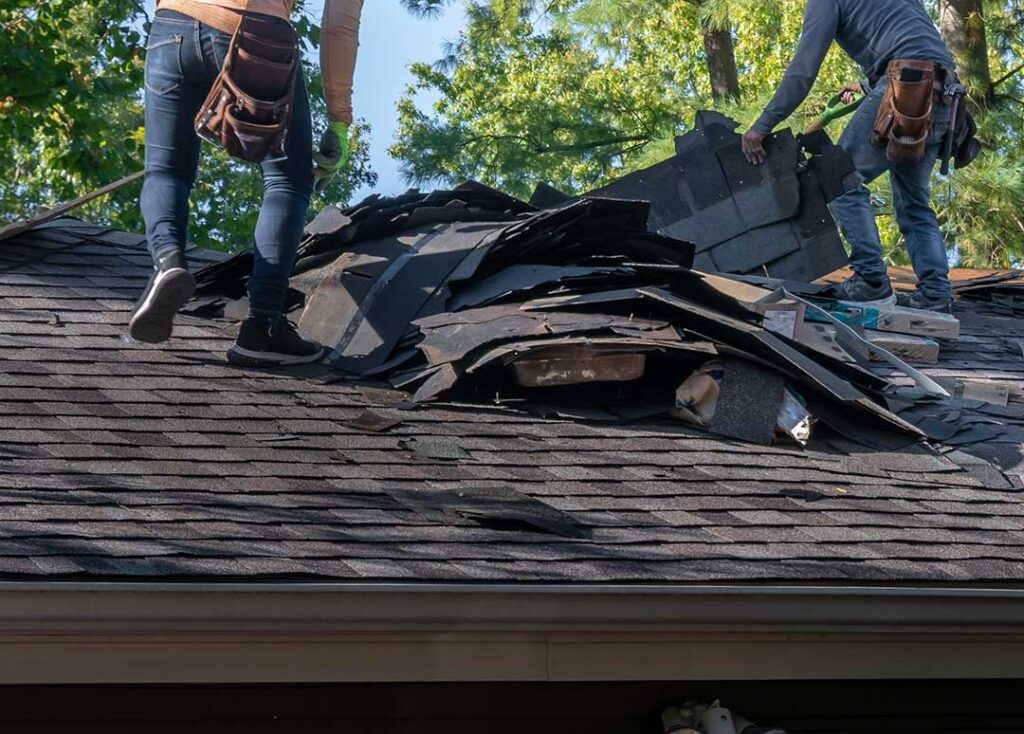
A vacation usually means checking doors, windows, appliances, and security systems. The roof deserves similar attention, especially before a home sits empty during a period of rain, wind, falling leaves, or changing temperatures.
For households in Granville, NY, a short inspection before departure can help identify small roof problems before they become interior water damage. The goal is not to perform major repairs at the last minute. It is to spot visible concerns, reduce avoidable risks, and make sure someone can respond if conditions change while the home is vacant.
What should be checked before leaving?
Before vacation, look for obvious signs of roof trouble from the ground and from inside the attic or upper floors. A basic inspection is often enough to reveal conditions that deserve attention before the house is unattended.
From the ground, inspect for:
- Missing, lifted, curled, or cracked shingles
- Sagging areas along the roofline
- Loose flashing around chimneys, vents, skylights, and wall intersections
- Leaves, branches, or other debris collecting on roof sections
- Gutters pulling away from the fascia
- Downspouts that appear disconnected or blocked
- Water stains on exterior walls beneath roof edges
Do not climb onto a roof simply to complete a vacation checklist. Wet surfaces, steep slopes, frost, and hidden weak spots can make roof access hazardous. Ground-level observations are usually safer and more useful than a rushed rooftop inspection.
Inside the home, check ceilings, upper walls, attic framing, and insulation for dark stains, dampness, peeling paint, musty odors, or daylight visible through the roof deck. A leak may not be active during a dry inspection, but older staining can indicate that water has entered previously.
Why does the season matter in Granville?
Seasonal conditions affect the risks a roof faces while a home is unoccupied. Weather patterns can shift quickly, and a roof that seems fine during calm conditions may respond differently to wind-driven rain, heavy leaf buildup, or freezing temperatures.
Before leaving, consider the conditions most likely during the trip:
- Spring: Meltwater, rain, and clogged drainage paths can expose weak flashing or worn roof edges.
- Summer: Thunderstorms and strong winds may loosen shingles, branches, or exterior equipment near the roof.
- Autumn: Falling leaves can collect in gutters and valleys, slowing drainage before periods of steady rain.
- Winter: Snow, ice, freeze-thaw cycles, and ice dams can place added stress on roof edges and drainage systems.
A roof does not need to be old to experience trouble. A newer roof can still have damage from wind, poor drainage, impact, or an opening around a vent or flashing joint.
Should gutters and downspouts be cleaned before vacation?
Yes, if they contain enough leaves or debris to restrict water flow. Gutters are part of the roof drainage system, and a blockage can cause water to spill over the edge or back up beneath roofing materials.
Before leaving:
- Remove visible leaves, twigs, and sediment from accessible gutters.
- Confirm that downspouts are connected securely.
- Make sure water can discharge away from the foundation.
- Check that extensions have not shifted or become buried.
- Look for standing water in sections of gutter that appear improperly sloped.
Gutter cleaning can involve ladders, unstable ground, and overhead hazards. Anyone who is uncomfortable with ladder work should not attempt it simply because a trip is approaching. Safety is more important than completing every task personally.
Do not seal gutter joints, nail down loose components, or apply roof coatings as a last-minute experiment. Temporary work performed without understanding the source of a leak can redirect water rather than solve the problem.
What roof problems should be addressed before leaving?
Problems that allow water or wind to enter should not be ignored before an extended absence. Visible openings, active leaks, loose flashing, and sections of missing roofing are more urgent than cosmetic wear.
Give particular attention to:
- Water entering around a chimney, vent, skylight, or roof-to-wall connection
- Shingles that are missing or visibly lifted
- A roof deck or roofline that appears sagged
- Recurring ceiling stains after rain
- Damaged vent pipes or exposed openings
- Gutters or fascia that have partially detached
- Large branches resting on or hanging over the roof
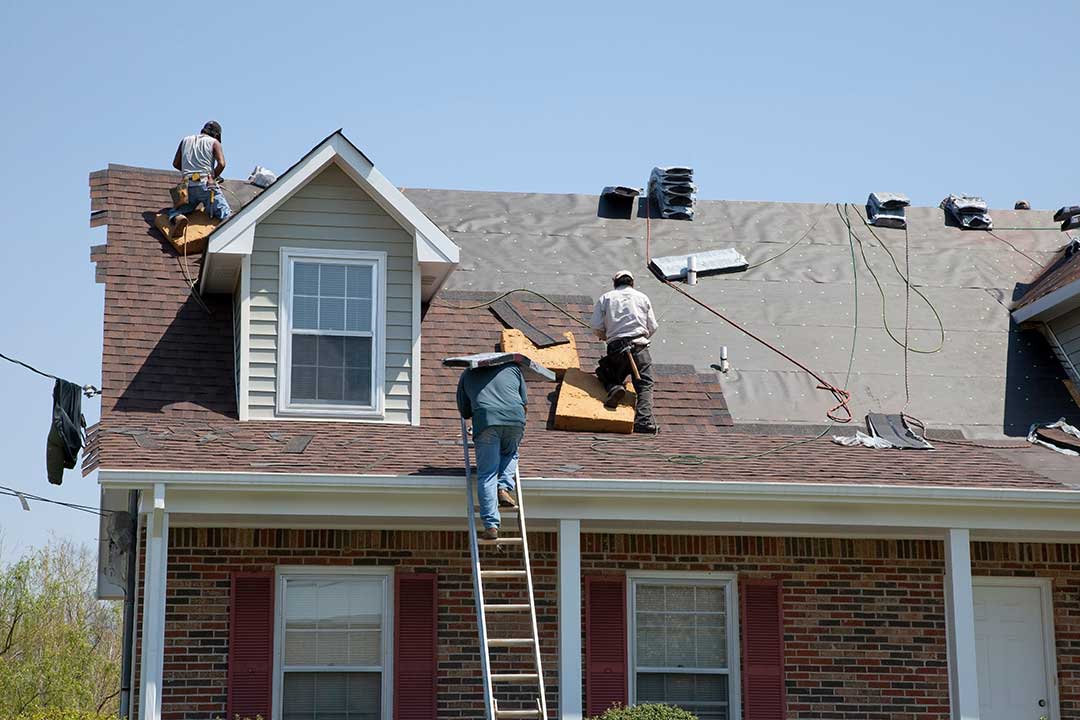
If the issue involves electrical components, structural movement, significant height, storm damage, or an active leak, avoid unsafe do-it-yourself work. A temporary interior container may limit damage during a short delay, but it does not correct the roof opening.
A small stain that has remained unchanged for years may not require emergency action, but it should still be documented and monitored. A new stain, damp insulation, or a stain that grows after rain deserves more immediate attention.
How can a homeowner prepare for a leak while away?
The best protection is a clear response plan. A trusted person should know how to access the home, where the main water shutoff is located, and whom to contact if a roof or plumbing leak is discovered.
Before departure:
- Provide a key or access instructions to a trusted person.
- Share the location of the electrical panel and water shutoff.
- Ask someone to check the home after severe weather if practical.
- Leave instructions for photographing any damage before cleanup.
- Keep important insurance and home-maintenance records accessible.
- Make sure smoke and carbon monoxide alarms are working.
- Consider using a leak sensor near vulnerable ceilings, mechanical areas, or attic access points.
A neighbor or house sitter does not need to inspect the roof directly. A safe walk around the property after a major storm can reveal fallen branches, roof debris, overflowing gutters, or water entering around windows and doors.
If the home has a monitored alarm or leak-detection system, confirm that notifications are reaching the correct phone number before leaving. A device that is installed but not connected to a working alert system provides limited protection.
Should the attic be inspected before vacation?
A brief attic inspection can be useful if the space is safe to enter. Look for damp insulation, stained rafters, mold-like growth, rust around fasteners, or light showing through the roof deck.
Avoid entering an attic if the floor is incomplete, the space is extremely hot, wiring is exposed, or insulation makes footing unclear. Do not step between ceiling joists unless proper walk boards are present. A fall through the ceiling can cause serious injury and additional property damage.
Attic ventilation should also remain unobstructed. Do not cover vents with plastic or stuffed materials to stop drafts. Proper ventilation helps manage moisture, but it will not repair a roof leak or replace adequate insulation.
What should be done after returning?
After vacation, inspect the ceilings, attic, gutters, and exterior roof edges again. Compare conditions with any photos taken before departure. New stains, displaced shingles, piles of roof debris, or damp insulation may show that weather caused damage while the home was empty.
If a leak is active, protect furnishings from dripping water when it can be done safely, move valuables away from the affected area, and document the damage. Avoid cutting into a ceiling unless necessary to prevent a dangerous water pocket and the work can be done safely.
A pre-vacation roof check is most useful when it is simple and consistent: observe from safe locations, keep drainage paths clear, document existing concerns, and arrange for someone to notice changes during the absence.
