
What Are Roof Coatings and Why Do People Consider Them?
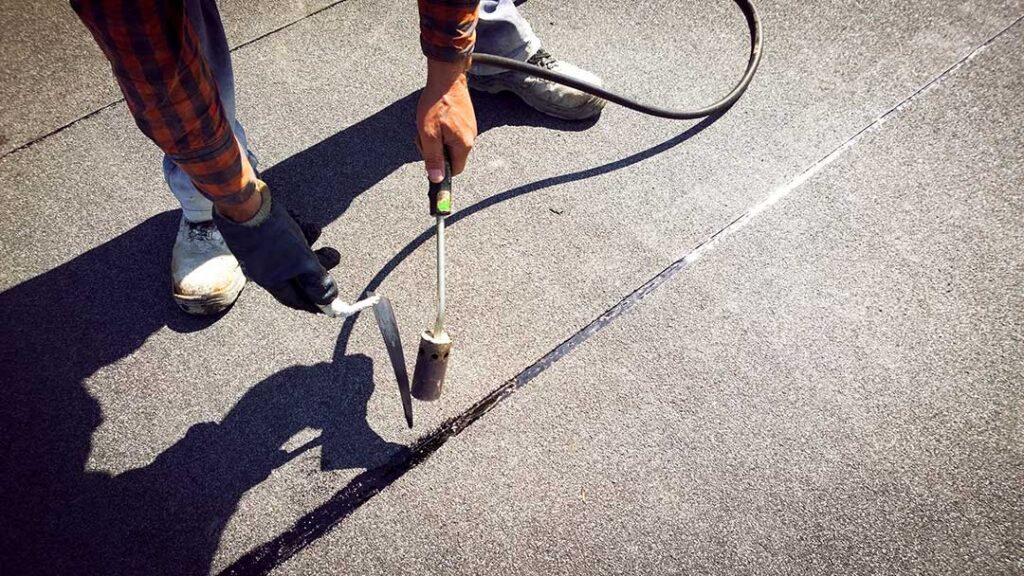
Roof coatings are protective layers applied to existing roofing surfaces—usually liquid-applied membranes that cure into a seamless barrier. Many Granville, NY homeowners consider roof coatings as a way to extend the life of their roofs, improve energy efficiency, or temporarily address issues without a full replacement. The approach can be practical due to the area’s mix of older homes and the climate’s pattern of snowy winters and rainy springs.
What Problems Can Roof Coatings Help Solve?
For area households, roof coatings are most often discussed as a way to address:
- Small leaks or minor moisture infiltration, especially after harsh winter freeze-thaw cycles
- General wear and aging, like shingle granule loss or minor surface cracks
- Reducing heat absorption in summer, helpful for attics and upper floors that become stuffy
- Lowering roof maintenance needs by adding a protective, weatherproof layer
A properly-applied coating won’t fix major structural issues or rotten decking, but for managing normal roof aging or small surface flaws, it can be effective.
What Are the Advantages of Applying a Roof Coating?
Local residents who choose this option often cite these practical benefits:
- Extended Roof Life
Adding a coating can help slow the effects of weathering, sun exposure, or annual freeze-thaw cycling common in Granville. Many see a few extra years of service from an aging roof.
- Energy Savings
Reflective coatings can reduce summertime attic temperatures, easing the cooling load. This is most noticeable on dark, unshaded roofs during July and August when solar gain is highest.
- Leak Prevention
Elastomeric or rubberized coatings do a good job sealing small cracks and nail holes where water might otherwise gain entry during spring storms or melting snow.
- Less Maintenance
By blocking water, coating can help slow moss and algae growth, reducing the need for frequent cleanings.
What Limitations or Drawbacks Should Granville Homeowners Know?
While coatings have appeal, they are not a universal solution for every situation:
- Temporary Solution
Most coatings last 5–10 years at best. If a roof is badly deteriorated, has persistent leaks, or structural problems, coating only masks the symptoms temporarily.
- Not for All Roof Types
Many coatings are designed for flat or low-slope roofs. On steep-slope asphalt shingle roofs—common in Granville’s older neighborhoods—coating may not adhere properly or might void existing roof material warranties.
- Prep Work Matters
The roof surface must be very clean and dry. Moss, dirt, and loose shingles must be dealt with first, or the coating can peel or fail prematurely.
- Weather and Timing
Application windows are limited in this region. Coatings require several dry, warm days to cure, typically between late May and early September.
- May Hide Ongoing Problems
Coating over hidden rot or structural damage can delay proper repairs, making eventual fixes more complex and expensive.
How Does Granville’s Climate Influence Roof Coating Results?
The city’s climate presents a few special considerations:
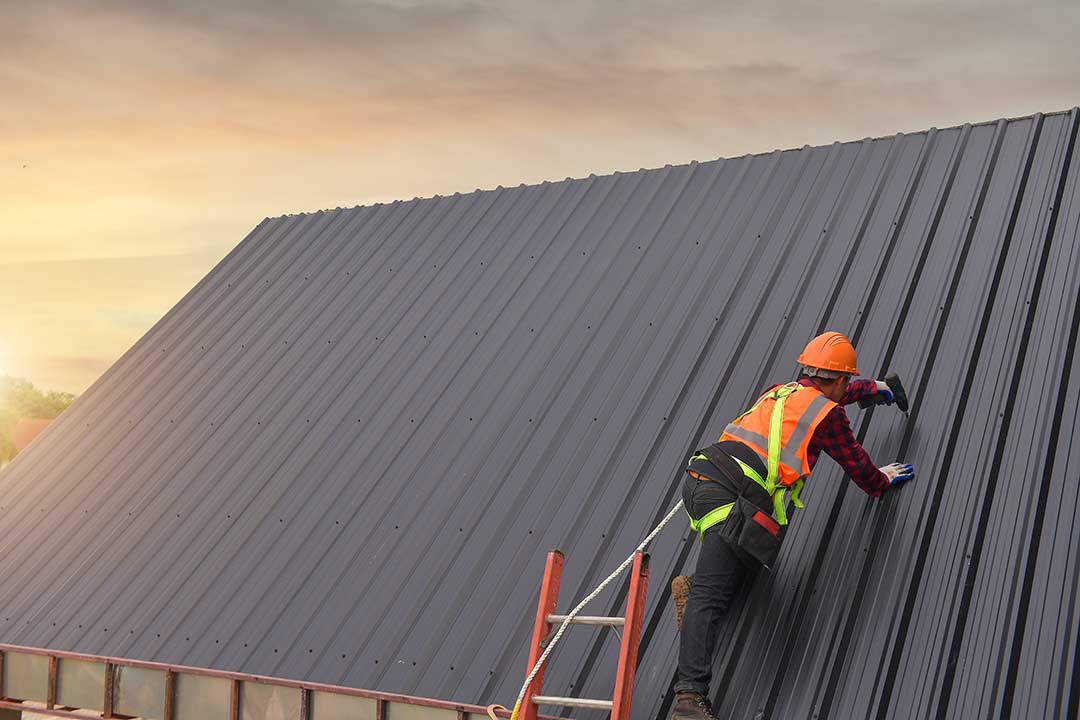
- Freeze-thaw cycles can cause older shingles to crack. Flexible coatings may help in some cases, but water beneath the coating can still expand and worsen damage.
- Snow loads are common. Coatings don’t strengthen a sagging roof; they only provide a surface barrier.
- Summers can be humid. If a roof is coated while still damp, trapped moisture can promote mold or reduce adhesion.
Locals should be aware that coated roofs still require periodic inspection, especially after strong wind or hail events.
What Are Common Misconceptions About Roof Coatings?
Area residents sometimes overestimate what coatings can accomplish. Some of the most frequent misunderstandings include:
- Belief that coatings fix severe leaks or rot: Surface treatments do not address underlying decking or attic ventilation issues.
- Assuming all coatings are the same: Products differ—some are meant for metal, some for low-slope or built-up roofs, some for energy reflection.
- Thinking coatings are a set-and-forget solution: Regular checks are still needed to catch peeling, blistering, or newly-developed roof issues.
When Might It Make Sense Not to Use a Roof Coating?
Coatings are less appropriate in several circumstances:
- The roof is near the end of its expected lifespan and has widespread damage.
- Underlying wood or other materials are soft, warped, or waterlogged.
- The roof has not been cleaned properly before application.
- Manufacturer and local building codes recommend against it for the specific roof material in use.
Homeowners should weigh these limitations carefully and review warranty details for both the original roof and any chosen coating.
How Much Maintenance Should Residents Expect After Applying a Roof Coating?
A coated roof generally requires less frequent cleaning but still benefits from regular visual checks for:
- Peeling, bubbling, or cracking spots—especially after storms or heavy snow
- Accumulated debris or ponding water on flat sections
- Signs of water getting underneath the coating at seams or flashing
Addressing issues early can make a coating last longer and prevent minor concerns from turning into costly repairs.
