
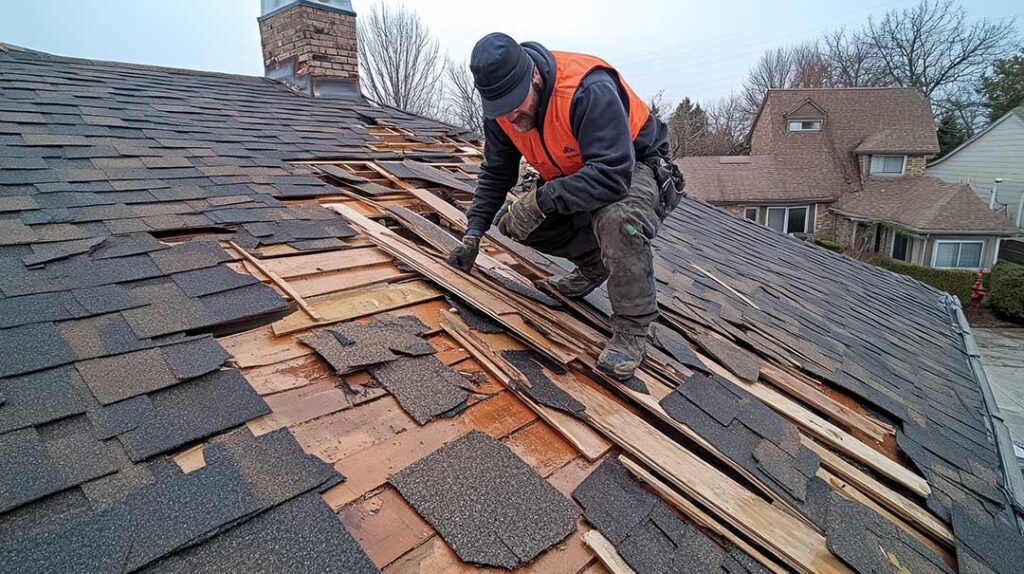
What Are the Telltale Signs of a Poorly Installed Roof?
Improper roof installation can lead to costly repairs, energy loss, and even structural damage—issues that homeowners in Granville, NY want to avoid. Recognizing the signs early not only helps prevent further problems but also gives homeowners peace of mind about the safety and durability of their homes.
Common indicators of installation issues include irregular shingle patterns, exposed nails, loose flashing, and visible sagging. Many of these warning signs are noticeable from ground level, especially after storms or temperature swings common in the Granville area.
Why Do Shingles Appear Uneven or Crooked?
Straight, uniformly placed shingles are the hallmark of quality work. If shingles look crooked, have wide gaps, or overlap unevenly, it is a technical error. These gaps allow water to seep beneath the roofing—especially during freeze-thaw cycles—that can quickly develop into leaks.
- Granville’s cold, snowy winters can make misaligned shingles even more problematic, as ice dams may form behind raised edges.
- Uneven rows may also indicate sloppy workmanship or rushing, rather than a challenging slope or material limitation.
Is Exposed Roofing Felt or Underlayment Normal?
Roofing felt, underlayment, or ice barrier should never be openly visible after installation is complete. These materials serve as a moisture defense beneath the exterior shingle or metal layer. If visible, it means shingles were cut too short or rows were skipped.
- This problem is especially serious before heavy rain or snow, since underlayment is not designed for long-term weather exposure.
- Even small visible patches may point to shortcuts taken throughout the job.
Are Exposed Nails or Fastener Heads a Red Flag?
Nails and other fasteners should not be showing on most roofing types except in planned locations, like specific parts of ridge vents or flashing. Exposed nails are a common source of leaks, as water can follow the nail down into the structure.
- In Granville, where snow and ice accumulate, exposed nails rust quickly and can expand, loosening the materials around them.
- In windy conditions, nails not driven flush or placed improperly risk allowing shingles to lift off.
What Happens If the Flashing Isn't Sealed Correctly?
Flashing—thin metal installed around vents, chimneys, and roof intersections—directs water away from vulnerable seams. Loose, wrinkled, or improperly sealed flashing is a frequent source of leaks and water intrusion.
- The valley areas (where two roof surfaces meet) are particularly critical in Granville homes, as snow can pack into these channels and melt slowly.
- Flashing that separates from the roof or is left uncaulked will almost always develop leaks after heavy rain or spring thaw.
Why Would a Roof Sag or Appear Wavy Soon After Installation?
A new roof should maintain a flat, even surface. If there’s sagging, rippling, or denting, it could signal multiple issues: insufficient sheathing beneath the shingles, using the wrong fasteners, or misplacing materials.
- Granville’s humid summers and wet springs can cause substandard roof decking to swell or rot, further accentuating this saggy appearance.
- Spotting this issue from the ground often means it was serious (and overlooked during installation).
Should Granville Homeowners Worry About Water Stains or Drips Inside Soon After a Roof Job?
Water stains or moisture on ceilings or attics immediately after roof work is a serious red flag. Properly installed roofs should keep homes dry for years, even with Granville’s unpredictable storms.
- New leaks often show as dark spots or streaks on upper walls or attic rafters, sometimes accompanied by musty smells.
- Quick action is important to avoid mold, wood rot, and insulation damage.

How Does Inadequate Attic Ventilation Connect to Roof Installation Mistakes?
A quality roof installation will always factor in adequate attic ventilation. If a new roof does not include proper intake or exhaust vents, the attic will overheat in summer or collect moisture in winter.
- Homes in Granville require special care because cold winters can create “ice dams” when warm attic air melts snow, which refreezes at the eaves.
- A clear sign of poor ventilation related to installation is persistent roof ice, unusually high utility bills, or mold growth in the attic.
Are Missing or Incomplete Drip Edges a Problem?
A drip edge is a thin metal strip that directs water away from the roof’s edge and into the gutter. Omitting it or installing it incorrectly can lead to ongoing water problems at the fascia, soffit, and foundation.
- Granville’s precipitation (both rain and melting snow) can quickly exploit this mistake, leading to wood rot and staining on exterior trim.
- Missing drip edges often go unnoticed except during close inspection, but they are a basic requirement for weatherproofing in local building codes.
What Are Common Myths About Roof Installation Flaws?
Some homeowners misunderstand what “normal” wear looks like versus real installation mistakes.
- Minor granule loss on new asphalt shingles is not always a sign of faulty installation; this can be normal after the first heavy rain.
- Not every small shingle edge lift means a complete install redo—sometimes a few tabs just need resealing.
- Conversely, some issues—like wavy roof lines or early leaks—are almost always linked to installation quality, not natural weathering.
When Should Granville Homeowners Seek Further Evaluation?
If several warning signs appear—especially leaks, uneven rows, or poorly done flashing—residents are right to ask further questions. Some repairs require more than a quick fix, especially if problems relate to safety, structural integrity, or insurance concerns linked to local weather extremes.
