

What Are Cool Roofs and How Do They Work?
Cool roofs are roofing systems specifically designed to reflect more sunlight and absorb less heat compared to standard roofs. By using highly reflective materials—often lighter-colored shingles or special coatings—a cool roof keeps the roof surface cooler even during sunny summer days. In practical terms, this means your home stays more comfortable and requires less energy to keep cool.
Homes in Granville, NY experience a distinct four-season climate, with warm, humid summers and cold winters. While cool roofs primarily shine during hot weather, their benefits also relate to moisture management and the overall lifespan of roofing materials in this region.
Do Cool Roofs Really Lower Indoor Temperatures?
Yes, cool roofs can help reduce indoor temperatures, especially in upper floors or attics. During peak summer afternoons, a typical dark roof can reach 150°F or more, radiating heat into living spaces below. By contrast, a cool roof may stay 50°F cooler under the same conditions.
In Granville’s climate, this extra layer of defense helps local households maintain a stable indoor environment without overworking their air conditioners or fans. Residents often find that bedrooms and attics are noticeably less stuffy on the hottest days when a building has a cool roof. This can be particularly valuable in older homes, which may not always have modern attic insulation or continuous air sealing.
Will Cool Roofs Help Lower Energy Bills?
For many Granville households, cooling costs spike during stretches of muggy summer weather, even though the cooling season is relatively short. By limiting the amount of heat absorbed through the roof, a cool roofing system means your home’s cooling equipment doesn’t need to run as long or as often.
Key factors affecting potential savings:
- The amount of attic or roof insulation your home already has
- How often you run air conditioning (or window units)
- The roof’s orientation and shading from nearby trees or buildings
For homes with little insulation or those relying on window ACs upstairs, the difference can be significant—not only in comfort but also in monthly utility bills during the summer.
Are Cool Roofs a Good Fit for Granville’s Winter Conditions?
A common concern is whether a reflective roof will increase heating bills or make a home colder in winter. In areas like Granville, winter energy loss from a cool roof is minimal compared to potential summer savings. The low winter sun, frequent cloud cover, and typical snow accumulation mean roofs receive far less direct solar input than in summer.
Additionally, most heat loss in homes occurs through windows, doors, and gaps in insulation—not from lost rooftop solar gain. Modern cool roofing materials are designed with these factors in mind, and proper attic insulation plays a much larger role in winter efficiency.
Do Cool Roofs Last Longer Than Standard Roofs?
By reducing the surface temperature of the roofing material, cool roofs often experience less thermal stress and aging. For asphalt shingles and certain low-slope roofing types common in local construction, this can mean slower wear, less cracking, and reduced risk of premature aging from repeated freeze-thaw cycles or UV exposure.
For Granville homeowners, this often translates into:
- Fewer repairs related to heat-caused deformities
- A longer period before a full roof replacement is needed
- Less risk of mold or mildew forming under shingles during humid periods
While a cool roof won’t make a poorly installed roof last forever, it can be one more factor contributing to durability in the region’s shifting weather.
Can Cool Roofs Help Prevent Ice Dams?
Ice dams form when snow on a roof melts unevenly—usually from heat escaping a poorly insulated attic—then re-freezes at the eaves. While cool roofs mainly affect summer temperatures, their increased reflectivity sometimes helps keep winter roof surfaces more consistent in temperature, with less dramatic mid-roof warming. However, attic insulation and ventilation remain much more critical components in ice dam prevention for this area.
A cool roof alone does not guarantee ice dam elimination, but as part of a broader approach that includes air sealing and proper insulation, it can contribute to a more stable and resilient roof system.
What Types of Cool Roofing Are Available for Residential Use?
Local homes with pitched roofs typically use asphalt shingles, while flat or low-slope portions (like porches) may use membrane or metal roofing. Cool options include:
- “Cool” rated asphalt shingles available in lighter, more reflective shades
- Metal roofing with reflective finishes
- Single-ply membranes for flat roofs with built-in reflectance
- Specialty coatings that can be applied to some existing roofs
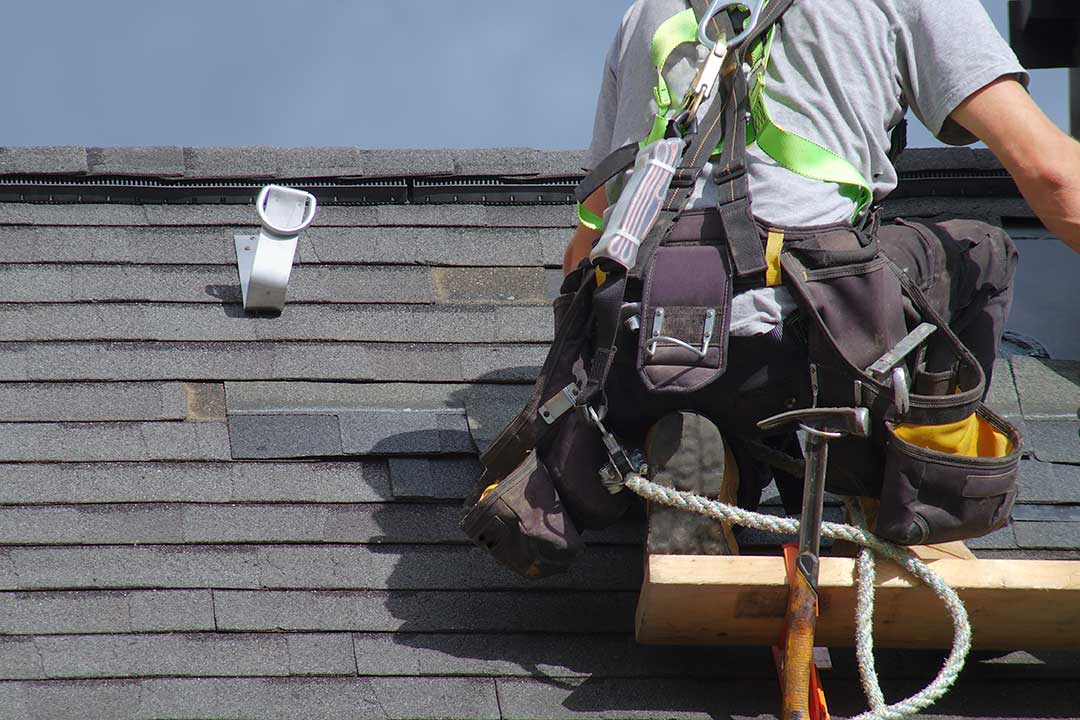
Historically, people sometimes assumed a cool roof had to be bright white, but modern technologies allow for a broader selection of colors that still provide reflectivity. When considering a new roof or re-roofing project, it’s worth exploring which materials are compatible with your home style and needs—and how they stack up against local weather patterns.
Common Misconceptions About Cool Roofs
Some people worry that a highly reflective roof will look out of place in traditional neighborhoods or that it will cause glare issues. However, cool roofing materials now come in shades similar to regular shingles, and the increase in reflectivity is usually not visible from the ground.
Another misconception is that cool roofs are only valuable in hot climates. In reality, any home experiencing summer heat can benefit—especially when paired with strategic insulation and ventilation improvements.
How Do Cool Roofs Affect the Community and Environment?
Reducing the amount of heat absorbed by area rooftops can help limit the “urban heat island” effect—a phenomenon where clusters of buildings raise local outdoor air temperatures. Even though Granville has more open space than larger cities, clustered neighborhoods and paved surfaces still absorb and radiate significant heat on sunny days.
Additional community benefits may include:
- Improved air quality (less ground-level ozone formation during heat waves)
- Lower cumulative energy demand during peak summer periods
- A more comfortable setting for walking, gardening, and outdoor activities near the home
What Should Residents Consider Before Choosing a Cool Roof?
When evaluating roofing updates for your property:
- Assess the current age and condition of your roof
- Check local building codes or homeowners’ association requirements for roofing materials and colors
- Examine attic insulation and ventilation, as these may need upgrades to maximize benefits
- Consider if you want improved summer comfort, longer roof life, or both
Discussing options with a local building inspector or research using neutral resources can help clarify what’s suitable for your specific home and goals.
