
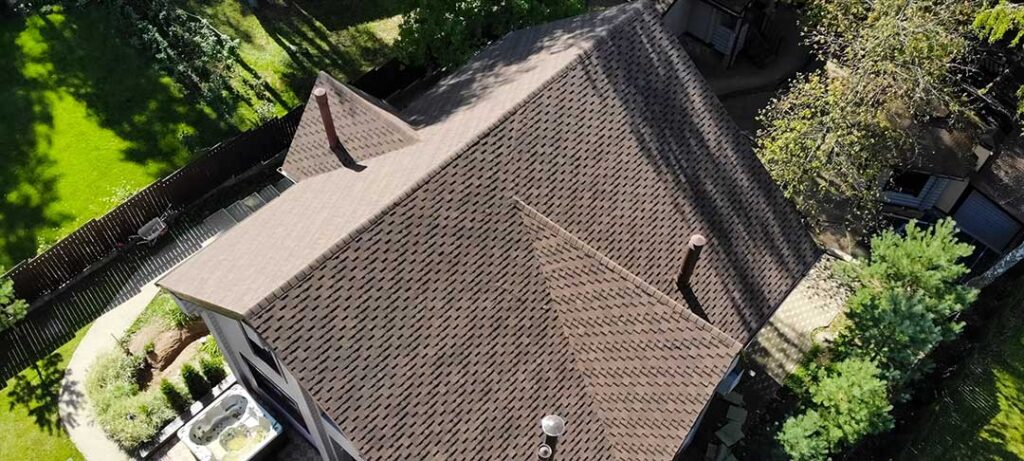
A roof cricket is a small, raised structure built on the uphill side of a chimney or another wide roof penetration. Its purpose is to split and redirect rain, melting snow, and ice so water does not collect against the obstruction.
For homes in Granville, NY, a cricket can be especially useful because roofs must manage repeated cycles of snow, freezing temperatures, thawing, and heavy rain. Although a cricket is not installed on every roof, the right design can reduce water-management problems around large chimneys and similar structures.
What does a roof cricket look like?
A roof cricket resembles a short, steep, peaked roof built behind a chimney. The ridge of the cricket typically runs perpendicular to the main roof ridge, creating two sloped surfaces that guide water around the sides of the chimney.
A typical cricket includes:
- A framed or structurally supported raised shape
- Roofing material that matches or properly integrates with the main roof
- Sheet-metal flashing around the chimney and cricket
- Carefully sealed transitions where the cricket meets the roof and chimney
The cricket is not the chimney cap, chimney flashing alone, or a decorative roof feature. It is a water-diversion structure designed to change the flow of runoff before it reaches the uphill side of the chimney.
Why is a roof cricket important?
A cricket prevents water and snow from pressing directly against the back of a chimney or wide roof penetration. Without one, runoff may be forced to divide abruptly around the obstruction, creating a low-flow area where debris, ice, and wet snow can remain.
That buildup can lead to several problems:
- Water may back up beneath shingles or other roof coverings.
- Flashing may experience prolonged moisture exposure.
- Ice can expand in joints and seams during freeze-thaw cycles.
- Snow sliding down the roof may place extra pressure on the chimney flashing.
- Leaves and roof debris may accumulate in the sheltered area behind the chimney.
- Repeated wetting can contribute to wood deterioration around the roof opening.
A cricket does not replace proper flashing. Instead, it works with flashing by reducing the amount of water and snow directed toward the most vulnerable part of the roof-to-chimney connection.
Are roof crickets required by building code?
In New York, the applicable residential code generally requires a cricket or saddle on the ridge side of a chimney or other roof penetration that is more than 30 inches wide when measured across the roof slope. The exact code edition and any applicable amendments depend on the project date and the requirements in effect when permit work is submitted.
The code requirement is based on width, not simply on whether the roof has a chimney. A narrow chimney may not meet the threshold, while a broad masonry chimney, large equipment curb, or similar penetration may.
A roof design can also require special treatment even when a cricket is not specifically required. Manufacturer instructions, roof slope, roof covering, structural design, and local inspection requirements may affect the correct installation.
What is the difference between a cricket and a saddle?
The terms are often used interchangeably, but they can describe slightly different roof-diversion shapes.
A cricket is usually a raised, peaked structure designed to split runoff and direct it around an obstruction. A saddle may refer more generally to a sloped feature that sheds water to both sides.
Both serve the same basic purpose: preventing water from collecting on the uphill side of a chimney or wide penetration. The important issue is not the name but whether the structure is properly sized, supported, flashed, and integrated with the roof covering.
Do all chimneys need a cricket?
No. A cricket is not automatically needed on every chimney.
The decision depends on factors such as:
- The width of the chimney across the roof slope
- The roof pitch and layout
- The chimney’s position on the roof
- The type of roof covering
- The amount of snow and water likely to reach the chimney
- The design of the flashing system
- Applicable building-code requirements
A wide chimney located low on a steep roof may receive substantial runoff and sliding snow. A smaller chimney near a roof edge may have different drainage conditions. These differences are why a cricket should be treated as part of the overall roof design rather than as a universal add-on.
Why do crickets matter in a snowy climate?
Snow does more than add weight to a roof. It can remain against the uphill side of a chimney, melt during daytime warming, and refreeze when temperatures fall. That repeated movement of water and ice can expose weaknesses in flashing and roof transitions.
A cricket helps by encouraging snowmelt and rainwater to move around the chimney instead of remaining concentrated behind it. Its steepness and shape can also reduce the amount of snow that settles directly against the chimney.
However, a cricket will not prevent every ice dam or snow-related roof problem. Roof ventilation, insulation, air sealing, roof slope, gutter placement, and overall drainage also affect winter performance.
What are signs that a chimney may need better water diversion?
Visible symptoms often appear inside the building before the cricket or flashing problem is obvious from the ground. Warning signs can include:
- Brown or yellow staining on ceilings near the chimney
- Damp attic insulation around the chimney opening
- Soft, darkened, or deteriorated roof sheathing
- Peeling paint near an upper-floor chimney wall
- Water appearing during wind-driven rain
- Repeated leakage during spring thaw
- A buildup of leaves, moss, or wet debris behind the chimney
- Loose, cracked, or displaced flashing
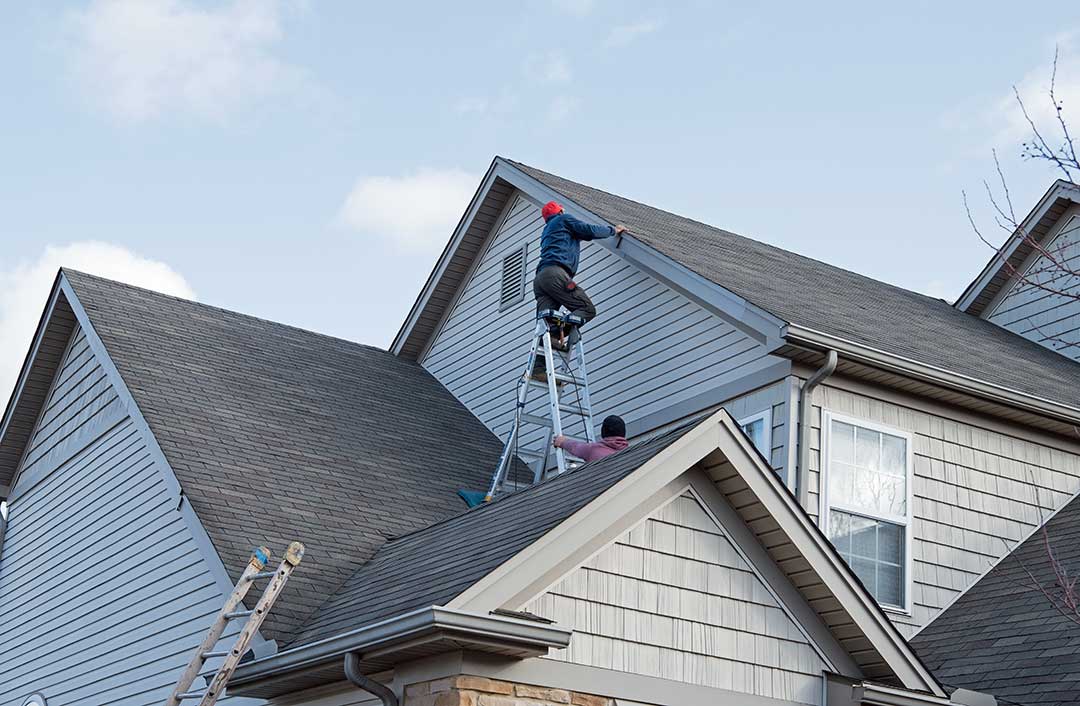
A roof leak near a chimney is not always caused by the chimney itself. Roof coverings higher up, masonry joints, vent penetrations, and interior condensation can produce similar symptoms. Tracing the source may require inspection from the attic and roof surface.
Can a cricket be added to an existing roof?
Often, yes, but adding one is more involved than placing a small structure on top of existing shingles. The roof covering usually must be opened around the chimney, and the cricket must be tied into the roof framing, underlayment, flashing, and finished roofing.
The finished design should account for:
- Structural support for the cricket
- Positive drainage on both sides
- Proper step flashing and counterflashing
- Compatibility with the existing roof covering
- Snow movement and areas where snow may slide
- Protection against exposed fasteners and open seams
Because roof work involves fall hazards and the possibility of hidden structural damage, work around a chimney is not a suitable project for improvised repairs from a ladder. If leakage is active, temporary interior protection can help limit damage while the roof assembly is evaluated.
What materials are used for roof crickets?
The cricket itself may be framed with wood and covered with the same roofing material used on the surrounding roof. Flashing is commonly made from corrosion-resistant sheet metal or another approved material compatible with the roof system.
Material selection matters because a cricket contains several transitions: the raised ridge, side slopes, chimney wall, roof covering, and underlayment. A durable roof system depends on those transitions working together. Sealant alone is not a substitute for correctly lapped flashing and drainage.
For older homes, repairs may also need to account for previous layers of roofing, uneven roof planes, deteriorated sheathing, and masonry that has shifted over time.
What should homeowners look for after a roof replacement?
After major roof work, the chimney area should have clean, continuous flashing with no obvious gaps, lifted edges, or exposed areas that can trap water. The cricket should direct water to both sides rather than creating a flat pocket behind the chimney.
From the ground, it may be possible to observe:
- A peaked shape behind a wide chimney
- Shingles or metal roofing extending cleanly up to the chimney
- No visible sagging or debris pocket
- Flashing that appears tightly fitted to the chimney
- No dark, persistently wet area below the chimney
A visual check cannot confirm every detail, especially beneath the roof covering. Attic observations after heavy rain or spring thaw can provide additional information about whether the area remains dry.
